
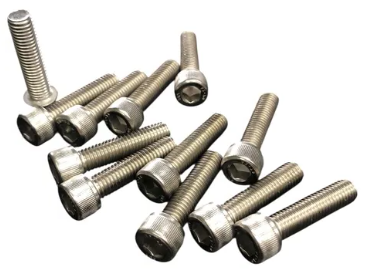
Solar Longevity: Benefits of Stainless Steel Fasteners in Aluminum Structures

In the photovoltaic industry, structural durability is as critical as panel efficiency. The choice of fasteners is not a minor detail; it is the factor that ensures the system withstands decades of outdoor exposure. Below, we analyze why the combination of raw aluminum and stainless steel is the superior technical choice.

1. Prevention of Galvanic Corrosion

Aluminum and stainless steel have compatible electrochemical potentials, reducing the risk of galvanic coupling compared to carbon or galvanized steel. Stainless steel develops a passive chromium oxide layer that minimizes electrolytic reactions, protecting the integrity of the aluminum profiles.

2. Mechanical Strength and Fatigue

Solar structures are subjected to dynamic loads such as wind gusts and thermal expansion. Stainless steel maintains its toughness under extreme temperature changes, and its relative elasticity allows the joint to withstand aluminum’s expansion cycles without losing torque or fracturing.

3. Aesthetics and Zero Maintenance

Unlike zinc-plated screws, stainless steel does not produce “brown rust streaks” that permanently stain aluminum profiles. This ensures a visually flawless installation and eliminates the need for coatings or inspections due to material degradation.

4. Material Comparison

While galvanized steel relies on a sacrificial zinc layer that depletes over time (especially in humid environments), stainless steel is intrinsically resistant throughout its mass, guaranteeing a lifespan exceeding the 25 to 30 years required in solar projects.

5. Grade Selection: A2 (304) vs. A4 (316)

Location is key:

  • Grade A2 (304): Ideal for standard rural or urban environments.
  • Grade A4 (316): “Marine grade.” It contains molybdenum to resist chlorides. It is mandatory for installations within 5 km of the coast or in aggressive industrial areas.

6. Managing “Galling” or Seizing

Stainless steel is prone to galling (cold welding due to friction). To prevent it:

  • Use nickel or ceramic-based anti-seize lubricants (never copper-based, which reacts with aluminum).
  • Avoid high-RPM impact tools.
  • Keep threads free of sand or dust.

7. Synergy Summary

The combination of aluminum (lightweight and natural resistance) with stainless steel (strength and chemical passivity) creates an eternally structural system. It also facilitates future maintenance, allowing bolts to be loosened decades later without being welded shut by corrosion.

8. Cost-Benefit Analysis

Although stainless steel fasteners may cost 2 to 3 times more than galvanized ones, their impact on the total project budget is usually less than 1%. This minimal initial investment saves 100% of long-term structural replacement costs and corrosion-related failures.

INFORME: Infraestructura Energética para la Revolución de la IA

1. El Vínculo entre la IA y el Gas Natural

La Inteligencia Artificial (IA) requiere un suministro eléctrico masivo, estable y de alta densidad. A diferencia de las redes domésticas, los centros de datos operan bajo el modelo de “Disponibilidad Total”.

  • El rol del gas: Funciona como la “energía de respaldo” inmediata. Debido a que las centrales térmicas de ciclo combinado pueden encenderse rápidamente, el gas compensa la intermitencia de las renovables (sol y viento), garantizando que los servidores de IA nunca se apaguen.

2. Tecnología de Cavernas de Sal

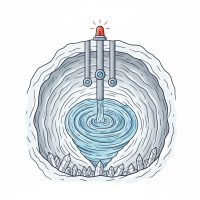
Las cavernas de sal son la solución de almacenamiento de energía más eficiente para una respuesta rápida. Se crean mediante un proceso de Lixiviación por Solución.

Especificaciones Técnicas:

  • Creación: Se perfora un pozo hacia un domo de sal y se inyecta agua dulce para disolver la roca desde adentro, extrayendo la salmuera resultante.
  • Propiedades de la Sal: La sal es impermeable y tiene un comportamiento “viscoplástico”, lo que significa que sella automáticamente cualquier fisura interna, evitando fugas de gas a alta presión.
  • Tiempos de Ejecución: Es un proceso lento. Una sola caverna puede tardar entre 3 y 5 años en estar operativa debido a los límites físicos de disolución de la sal.

3. Ventajas Competitivas de Argentina

Argentina se posiciona como uno de los lugares con mayor potencial para albergar infraestructura de IA debido a tres pilares:

I. Disponibilidad de Recurso (Vaca Muerta)

La posesión de una de las reservas de gas no convencional más grandes del mundo permite generar electricidad a un costo de “boca de pozo” extremadamente bajo en comparación con países que deben importar energía o extraerla del mar.

II. Geología para Almacenamiento

La Cuenca Neuquina posee formaciones salinas (como el tramo superior de la formación Huitrín) con el espesor y la estabilidad necesarios para desarrollar complejos de cavernas de almacenamiento masivo.

III. El Factor Térmico Patagonia

Los centros de datos generan un calor inmenso. La ubicación en zonas frías como la Patagonia Argentina permite el uso de “Free Cooling” (refrigeración natural con aire exterior), lo que reduce drásticamente el consumo eléctrico y los costos operativos frente a climas tropicales.

4. Análisis Comparativo Regional

FactorArgentinaChileBrasil
Costo de EnergíaBajo (Gas propio)Alto (Importador)Medio (Hidroeléctrica/Pre-salt)
Estabilidad de RedAlta (Respaldo térmico)Variable (Renovables)Variable (Sequías)
Clima de EnfriamientoÓptimo (Sur frío)BuenoDesfavorable (Cálido)
Infraestructura SalinaAlta PotencialidadLimitadaLocalizada

5. Conclusiones y Proyecciones

La capacidad de procesar IA será la nueva “moneda” de las naciones. Sin embargo, esta capacidad no depende solo de microchips, sino de la infraestructura subterránea:

  1. Sincronización: Es crítico iniciar la construcción de almacenamiento (cavernas) años antes de la llegada de los servidores, dado el desfase de tiempo de construcción.
  2. Soberanía: Los países que logren integrar el gas barato con almacenamiento rápido serán los destinos preferidos para los gigantes tecnológicos (Google, AWS, Microsoft).

STRATEGIC REPORT: Energy Infrastructure for the AI Revolution

1. The Link Between AI and Natural Gas

Artificial Intelligence (AI) requires a massive, stable, and high-density power supply. Unlike residential grids, AI data centers operate under a “Total Availability” model.

  • The Role of Gas: It functions as the immediate “backup energy.” Since combined-cycle thermal plants can be powered up quickly, natural gas compensates for the intermittency of renewables (solar and wind), ensuring that AI servers never go offline.

2. Salt Cavern Technology

Salt caverns are the most efficient energy storage solution for fast response. They are created through a process called Solution Mining (Leaching).

Technical Specifications:

  • Creation: A well is drilled into a salt dome, and fresh water is injected to dissolve the rock from the inside, extracting the resulting brine.
  • Properties of Salt: Salt is impermeable and exhibits “viscoplastic” behavior, meaning it automatically seals any internal micro-fissures, preventing high-pressure gas leaks.
  • Execution Timelines: It is a slow process. A single commercial cavern can take between 3 to 5 years to become operational due to the physical limits of salt dissolution.

3. Competitive Advantages of Argentina

Argentina is positioned as one of the locations with the highest potential to host AI infrastructure due to three pillars:

I. Resource Availability (Vaca Muerta)

Possessing one of the world’s largest non-conventional gas reserves allows for electricity generation at an extremely low “wellhead” cost compared to countries that must import energy or extract it from deep-sea wells.

II. Geology for Storage

The Neuquén Basin possesses salt formations (such as the upper section of the Huitrín formation) with the thickness and stability necessary to develop massive storage cavern complexes.

III. The Patagonian Thermal Factor

Data centers generate immense heat. Locating them in cold regions like Argentine Patagonia allows for “Free Cooling” (natural cooling using outside air), which drastically reduces electricity consumption and operating costs compared to tropical climates.

4. Regional Comparative Analysis

FactorArgentinaChileBrazil
Energy CostLow (Indigenous Gas)High (Importer)Medium (Hydro/Pre-salt)
Grid StabilityHigh (Thermal Backup)Variable (Renewables)Variable (Droughts)
Cooling ClimateOptimal (Cold South)GoodUnfavorable (Warm)
Saline InfrastructureHigh PotentialLimitedLocalized

5. Brine Management: The Environmental Challenge

One of the most critical aspects of constructing these caverns is managing the brine (water with high salt concentration) extracted during leaching.

  • Re-injection: The brine is often pumped into deep, porous geological layers that are already saline, ensuring no contamination of freshwater aquifers.
  • Industrial Valorization: In hubs like Bahía Blanca, this brine can be used as raw material for the chemical industry (production of chlorine, caustic soda, or table salt), turning a waste product into a circular economy asset.

6. Conclusions

The capacity to process AI will be the new “currency” of nations. However, this capacity depends not just on microchips, but on underground infrastructure:

  1. Synchronization: It is critical to begin storage construction (caverns) years before the arrival of servers, given the construction time lag.
  2. Sovereignty: Countries that successfully integrate cheap gas with fast storage will be the preferred destinations for tech giants (Google, AWS, Microsoft).